What do you really need for an effective Spring Clean?
8 June 2026
First Published March 2026
Your practical guide to a fresher, cleaner space (without the stress)
Spring cleaning always sounds like a huge job, but it does not have to be. With the right approach, a few smart tricks and some reliable essentials, you can refresh your space quickly and efficiently without wasting time or money.
In this spring cleaning guide, we cover everything you need to know including:
- The essential products for spring cleaning
- Simple cleaning hacks that make cleaning easier
- Answers to common cleaning questions
- A step-by-step spring cleaning checklist
Whether you are cleaning a workplace, commercial space, or your home, these cleaning tips will help you get the job done faster and more effectively.
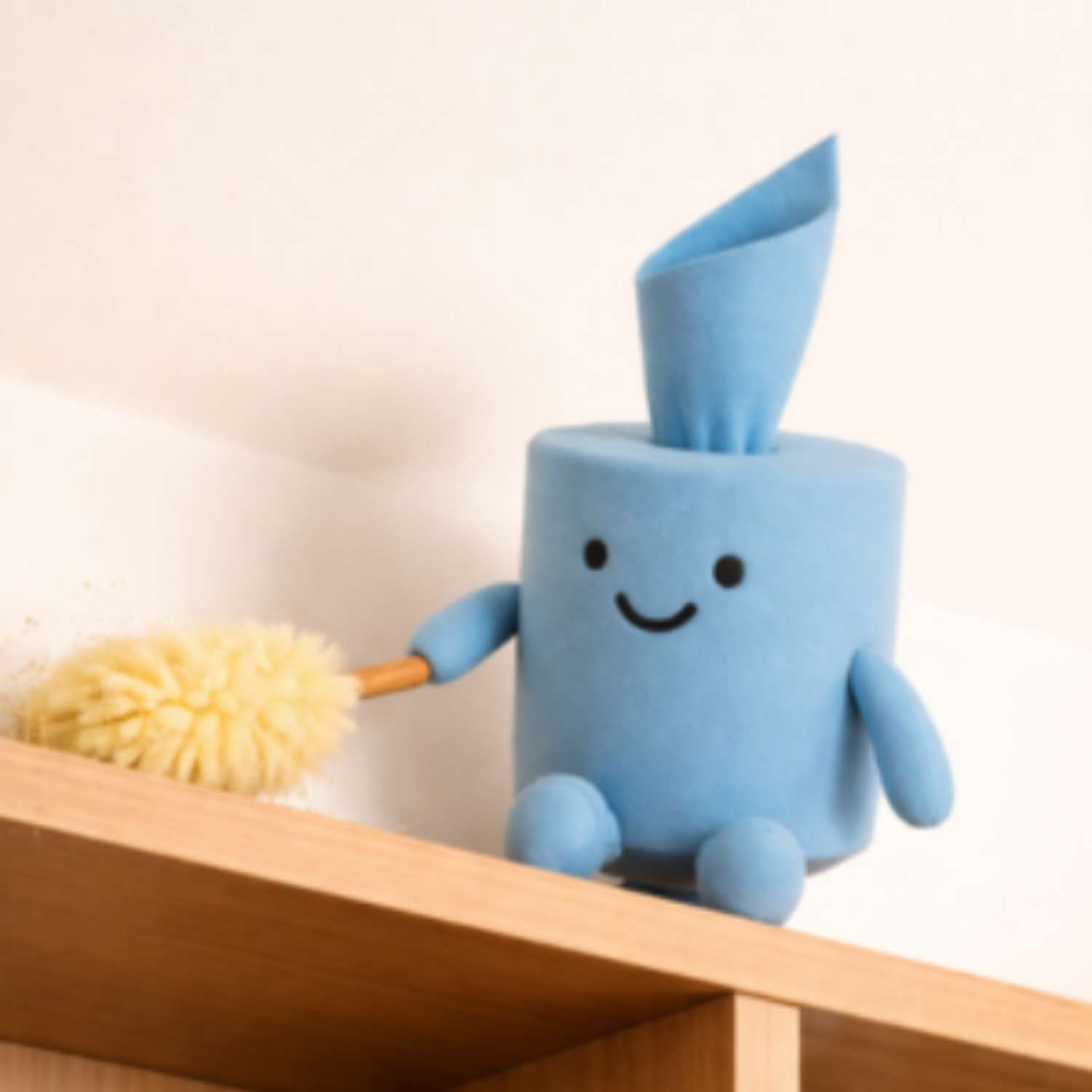
What Are the Essential Products for Spring Cleaning?
Many people assume a deep clean requires dozens of specialist products. In reality, most effective cleaning routines come down to a few reliable basics that work across multiple surfaces.
If you are wondering what you actually need for spring cleaning, these essentials will cover most tasks.
Core Cleaning Essentials
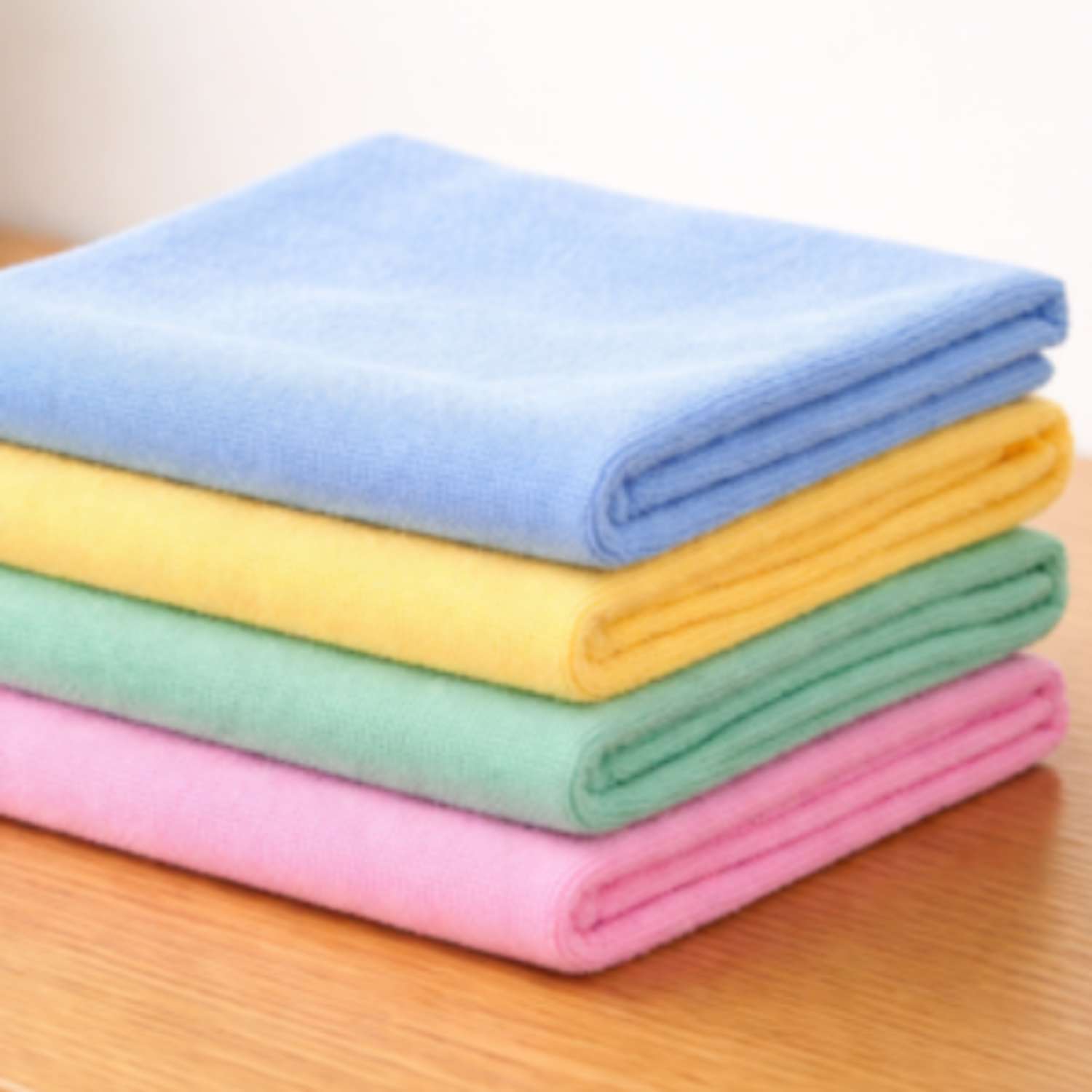
Microfibre cloths are one of the most useful tools for spring cleaning. They trap dust, dirt, and bacteria rather than spreading them around surfaces. They work well for glass, desks, shelves, appliances, and general polishing.
They can also be used with or without chemicals, making them both efficient and cost-effective.
Bulk-Buy Disposable Latex, Vinyl and Nitrile Gloves
Disposable gloves protect hands when using cleaning chemicals, handling waste, or tackling heavier cleaning tasks. They also help maintain hygiene when cleaning bathrooms, kitchens, and shared spaces.
Non-Woven Disposable Fabric Cloths and Rolls For Cleaning
Cleaning wipes or disposable cloths are ideal for quick surface cleaning, disinfecting high-touch areas, and wiping down shared equipment.
They are especially useful for maintaining hygiene throughout a deep clean.
Paper Rolls or Centrefeed Rolls
Absorbent Paper Wiping Rolls & Blue Paper Rolls
Paper rolls are essential during spring cleaning tasks where spills, dust, or moisture need to be cleaned quickly. They are ideal for wiping surfaces, drying areas, and managing mess during larger cleaning jobs.
These four products alone can handle most cleaning jobs efficiently.
Easy Spring Cleaning Hacks (That Actually Work)

If you want your spring cleaning routine to be quicker and easier, these simple tips make a big difference.
1. Declutter Before You Clean
One of the most effective cleaning tips is to remove clutter before starting. Cleaning around unused items wastes time and prevents you from reaching surfaces properly.
Clear the space first, then begin cleaning.
2. Use Strong Waste Sacks
Industrial Heavy-Duty Bin Bags, Sacks & Bin Liners
During a deep clean, waste builds up quickly. Using strong sacks helps prevent splitting, leaking, or double-bagging.
High-quality sacks can also hold heavier or sharper waste without tearing, saving time and reducing mess.
3. Clean From Top to Bottom
A key rule is to always start high and work downwards.
Clean shelves, cupboards, vents, and high surfaces first so dust does not fall onto areas you have already cleaned.
4. Use Dry Microfibre for Dust First
Dusting with a dry microfibre cloth traps dust particles better than sprays and prevents smearing.
Once dust is removed, surfaces can be cleaned or disinfected properly.
5. Clean One Zone at a Time
Instead of trying to clean everything at once, break the job into areas:
Kitchen
Bathrooms
Work surfaces
Storage areas
Floors
High-touch surfaces
This approach makes the task much more manageable.
6. Let Cleaning Products Sit
UK Manufactured Cleaning Chemicals
One of the most overlooked cleaning hacks is allowing cleaning products to work properly.
Leave sprays or disinfectants on surfaces for 30 to 60 seconds before wiping. This allows them to break down dirt, grease, and bacteria more effectively.
7. Change Cloths Regularly
Using the same cloth for multiple areas spreads bacteria.
For effective hygiene, change cloths regularly, especially when moving between kitchens, bathrooms, and shared areas.
8. Focus on High-Touch Areas
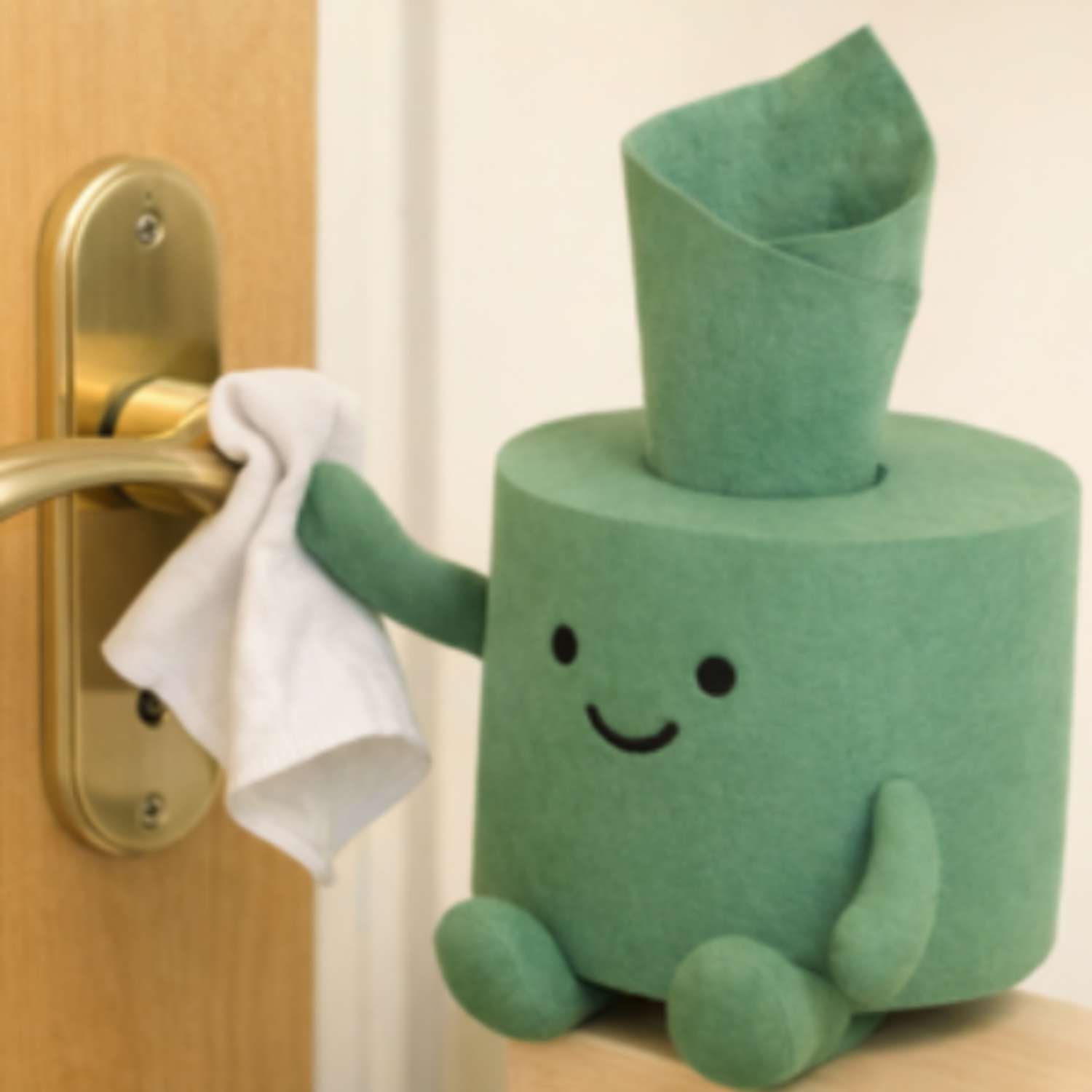
High-touch areas collect the most bacteria and should always be prioritised during cleaning.
Common hotspots include:
Door handles
Light switches
Desks and workstations
Taps and sinks
Handrails and shared surfaces
Common Deep Clean Questions
When Should You Start ?
Most people begin spring cleaning between late winter and early spring when the season changes. However, the best time is simply when you can dedicate time to properly reset and refresh your space.
How Long Does it Take?
A full spring clean can take anywhere from a few hours to a full day depending on the size of the space.
Breaking the process into sections over several days makes it easier to manage.
What Is Usually Forgotten?
Some areas are commonly missed during deep cleaning:
Skirting boards
Door frames and handles
Light switches
Behind furniture
Inside bins
High shelves and vents
Checking these areas ensures a more thorough spring clean.
Do You Need Lots of Cleaning Products?
No. A few high-quality cleaning essentials are usually more effective than dozens of specialist products.
Keeping your cleaning kit simple makes cleaning faster and more efficient.
Simple Spring Cleaning Checklist
Stay organised during your clean:
Declutter and remove waste
Dust all surfaces (top to bottom)
Wipe and disinfect high-touch areas
Clean kitchens and food preparation areas
Refresh bathrooms and sinks
Clean glass and mirrors
Wipe doors, handles, and switches
Finish with floors
Restock essential hygiene supplies
Final Tip
Spring cleaning is not about perfection. It is about resetting your space, improving hygiene, and making everyday cleaning easier moving forward.
With a simple plan, the right spring cleaning essentials, and a structured checklist, you can complete a thorough clean without stress or wasted effort.
How can I get the most out of my microfibre cloths? 8 June 2026
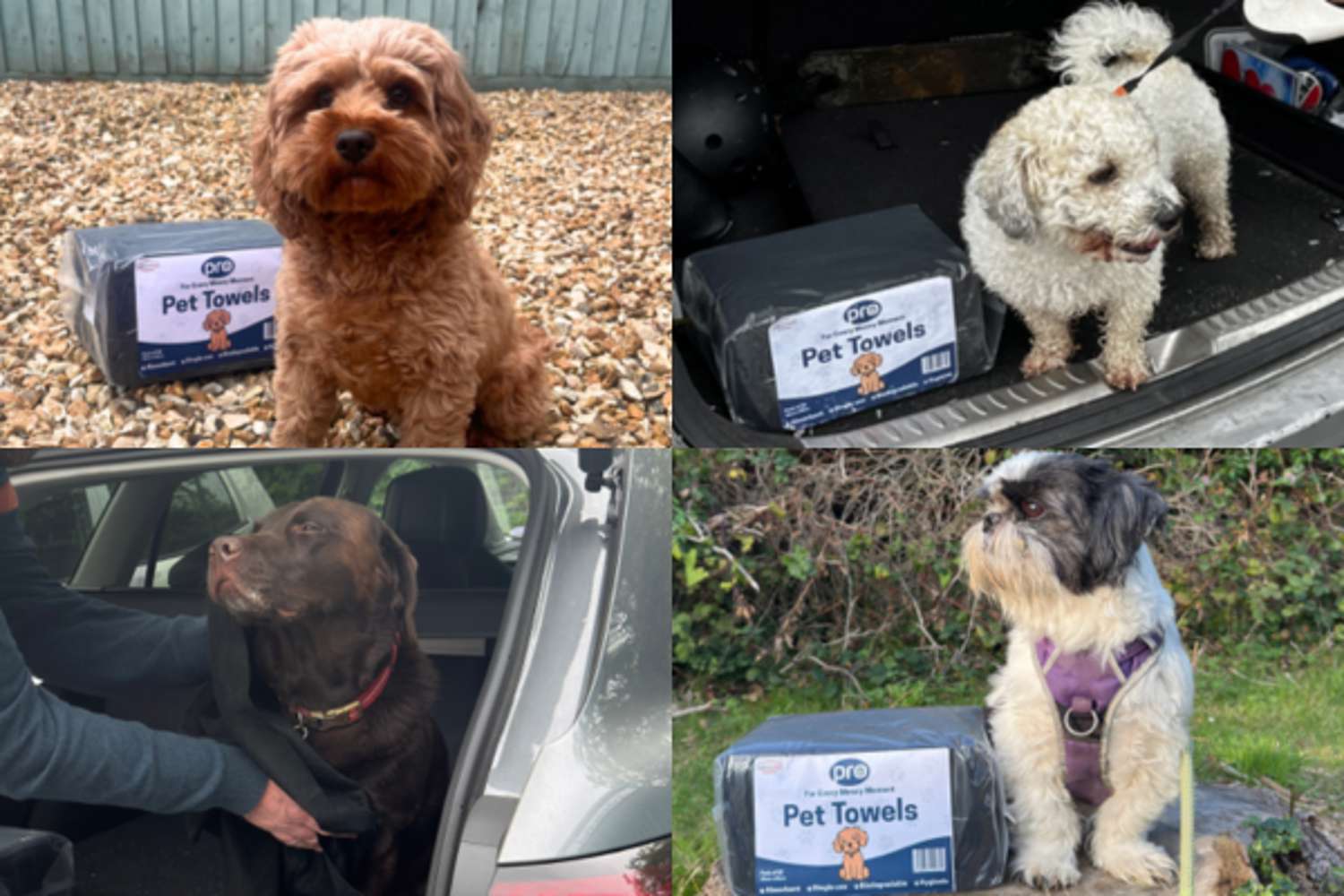
Why is Hygiene Depot is expanding into Pet Care? 8 June 2026

Why are Orange Nitrile Gloves so popular in heavy-duty industries? 8 June 2026
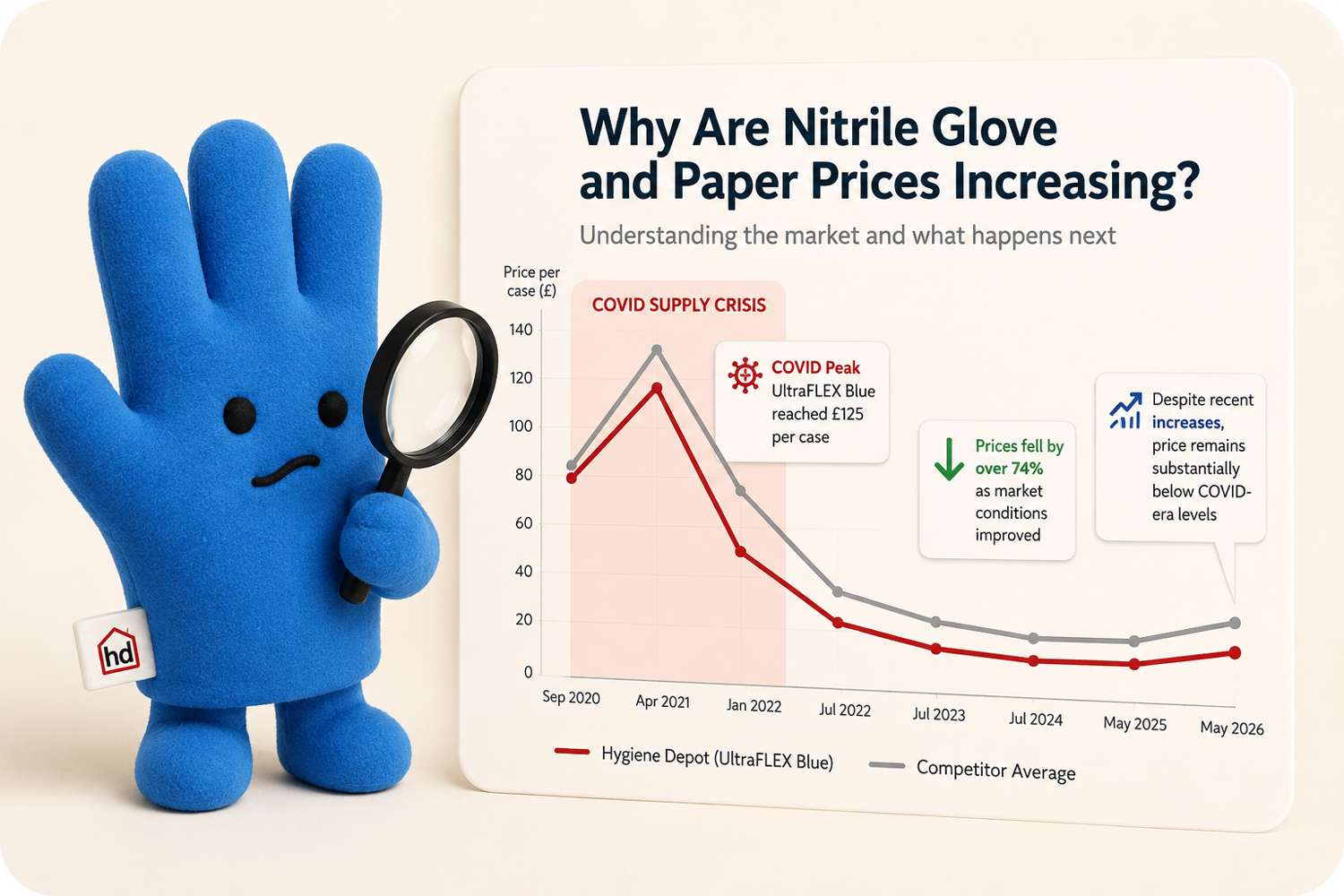
Why are Nitrile Glove prices increasing in 2026? 2 June 2026
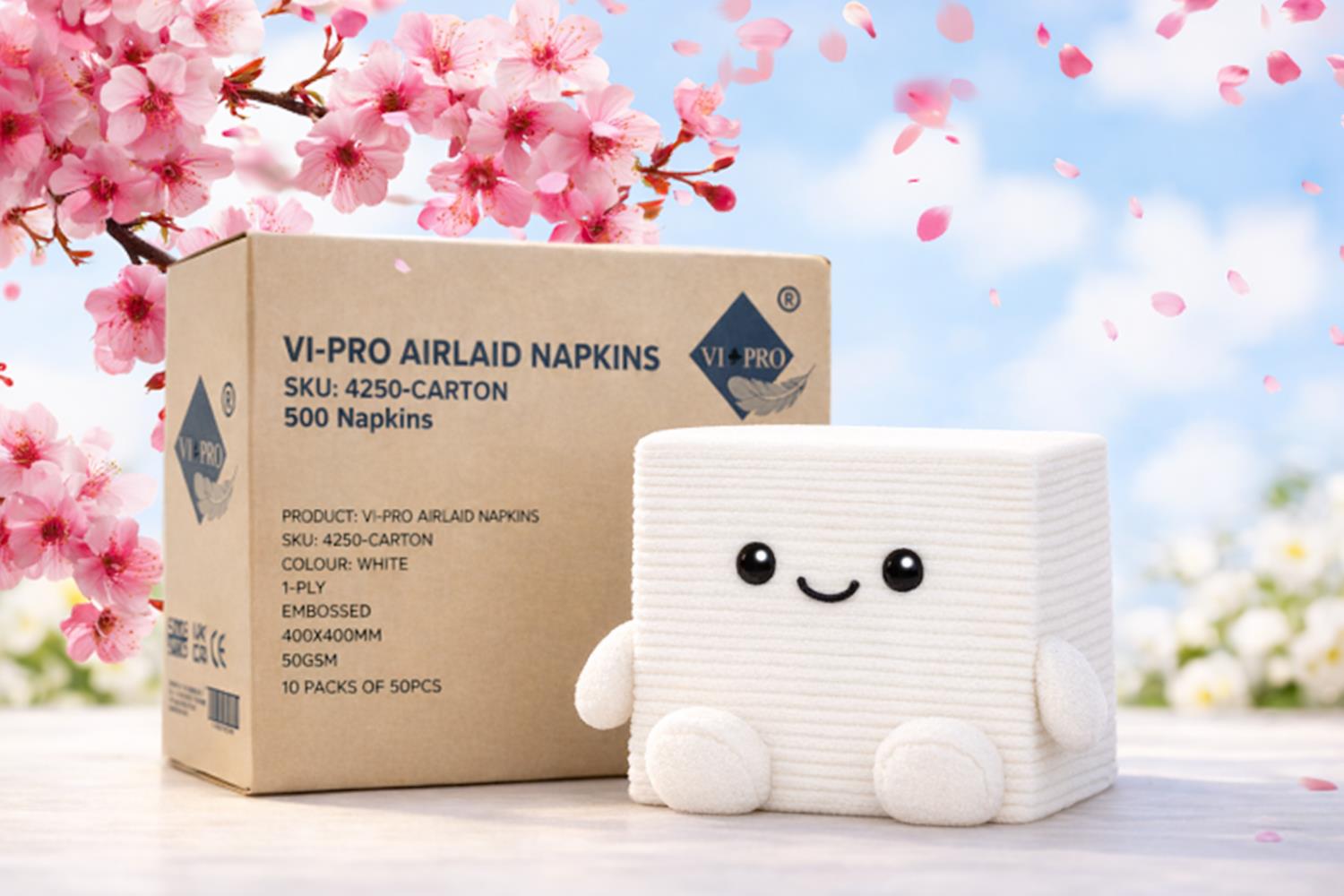
What is Airlaid? (And why it feels like linen) 17 March 2026
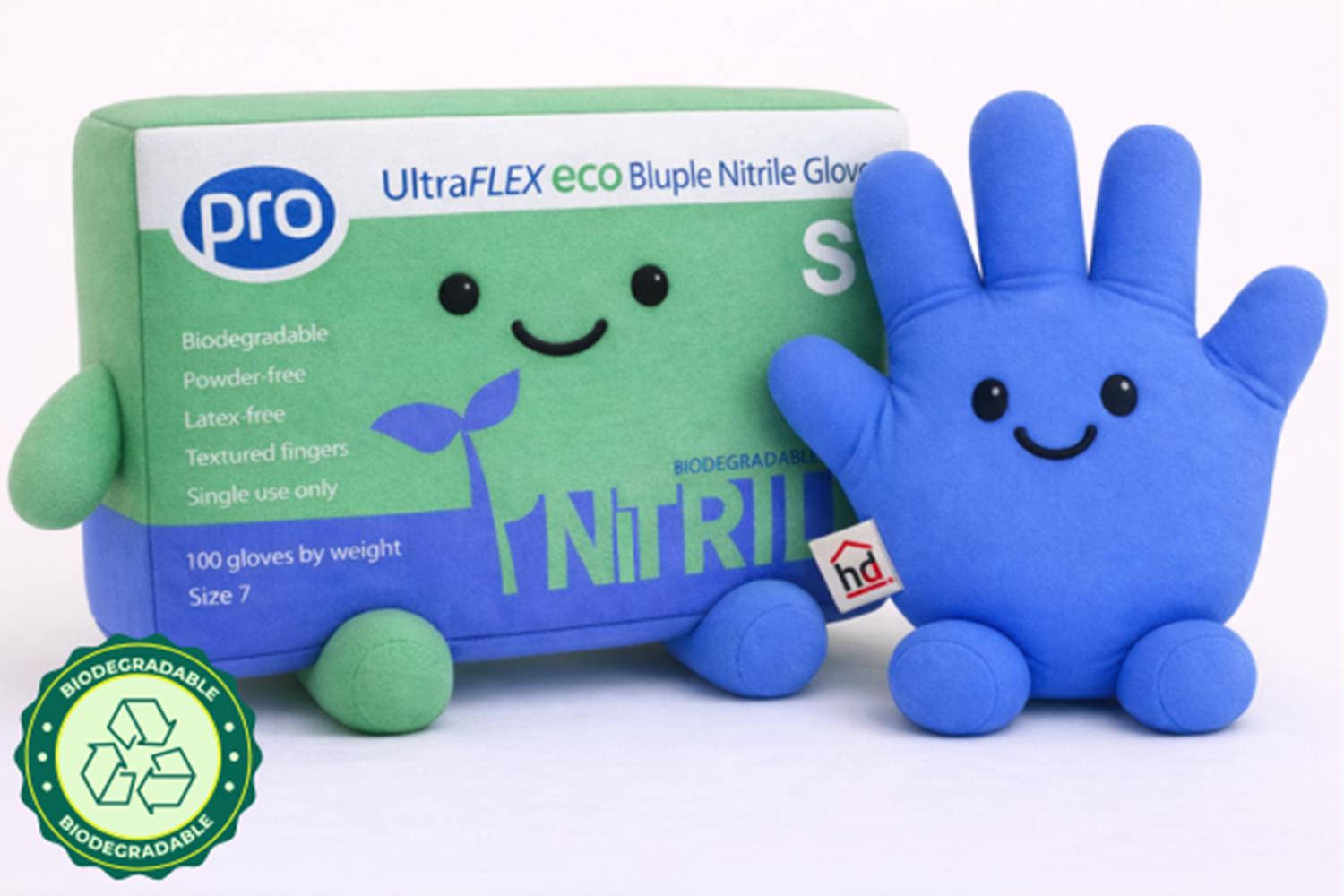
Are Biodegradable Nitrile Gloves genuinely Biodegradable? 26 February 2026
How sustainable are disposable paper products? 11 November 2025
Why do I have to pay for delivery? 5 November 2025
Why are some disposable gloves more expensive? 24 September 2025
How to cut costs on hygiene & cleaning supplies (without sacrificing quality)? 24 September 2025