How can I get the most out of my microfibre cloths?
8 June 2026
Microfibre cloths are one of the most versatile cleaning tools available, yet many people only use them for a fraction of what they’re capable of. When used and cared for properly, they can reduce the need for chemicals, improve cleaning results and last far longer than traditional cloths.
This guide explains what microfibre cloths are, what you can use them for, and how to care for them so they perform at their best for as long as possible.

What is a microfibre cloth?
Microfibre cloths are made from ultra-fine synthetic fibres, usually a blend of polyester and polyamide. Each fibre is split during manufacturing, creating thousands of tiny strands within every cloth.
These fine fibres allow microfibre cloths to:
- Pick up and trap dust, dirt and grease
- Lift particles from surfaces rather than pushing them around
- Clean effectively with little or no chemical use
This is what makes microfibre such a popular choice in busy environments where quick, efficient cleaning matters.
What can microfibre cloths be used for?
Microfibre cloths are suitable for a wide range of cleaning tasks across different environments.
General surface cleaning
Microfibre cloths are ideal for wiping down desks, worktops, tables, doors and hard surfaces. Used dry, they attract and hold dust. Used damp, they lift light dirt and marks without smearing.
Glass and mirrors
The fine fibres help reduce streaking, making microfibre cloths a reliable choice for mirrors, windows and glass panels. For best results, use a clean, slightly damp microfibre cloth followed by a dry one or alternatively we have a finer pile microfibre glass cloth, specifically for glass and mirrors.
Kitchens and food preparation areas
When colour coded correctly, microfibre cloths can support good hygiene practices in kitchens. They’re effective for wiping surfaces, splashbacks and appliances where grease and residue can build up.
Washrooms and shared spaces
Microfibre cloths are commonly used in washrooms for sinks, taps and touchpoints, as they remove dirt efficiently with minimal effort. Always use a separate colour to avoid cross-contamination.
Homes, offices and workplaces
From everyday spills to routine wipe-downs, microfibre cloths are suitable for frequent use in offices, schools, healthcare settings and shared spaces where cleanliness needs to be maintained throughout the day.
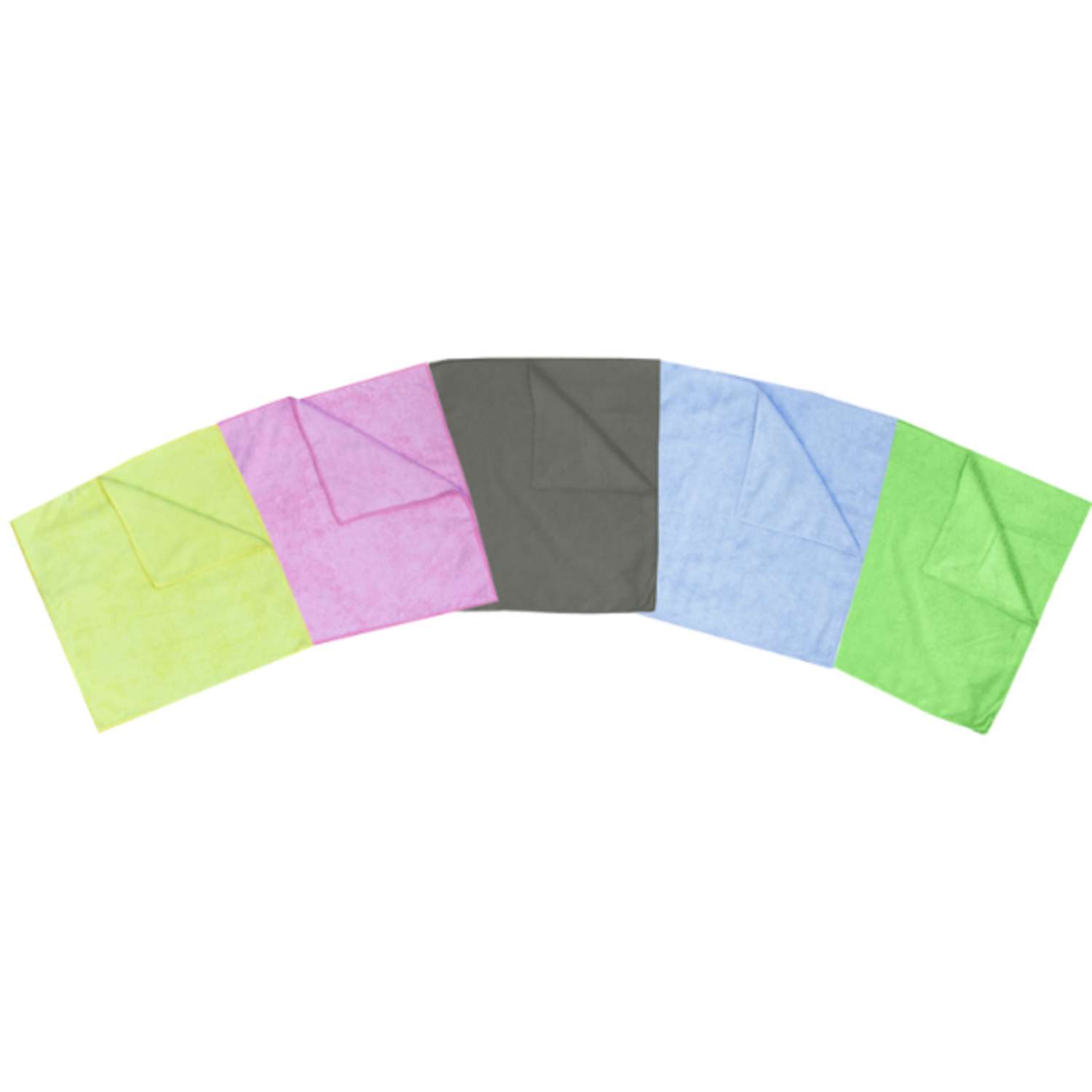 Why colour coding matters
Many microfibre cloths are available in different colours to support simple colour-coding systems. This helps reduce the risk of cross-contamination by assigning specific colours to specific areas.
A common example:
Blue – general or low-risk areas
Red – washrooms and toilets
Green – kitchens and food areas
Yellow – clinical or hygiene-sensitive areas
Using colour coding makes cleaning routines clearer, safer and easier to manage, especially in busy environments. All of our cloths come in multiple colours
How to care for microfibre cloths properly
Correct care is essential to keep microfibre cloths performing well and to extend their lifespan.
Washing
Wash after use to remove trapped dirt and debris
Microfibre cloths can be washed at temperatures up to 90°C if needed
Wash with similar materials to avoid lint transfer
Avoid fabric conditioner
Fabric softener coats the fibres and stops them from gripping dirt properly. This reduces cleaning performance and shortens the life of the cloth.
Drying
Air dry where possible or tumble dry on a low heat
Avoid high heat, which can damage the fibres
Following these steps helps ensure your cloths continue to clean effectively wash after wash.
How long do microfibre cloths last?
With proper care, microfibre cloths can be reused many times before needing replacement. Their durability makes them a practical choice for regular cleaning routines where reliability and consistency are important.
Replacing cloths when they become worn or less effective helps maintain cleaning standards, particularly in high-use or hygiene-sensitive environments.
Microfibre cloths are a simple but highly effective cleaning tool when used correctly. They’re versatile, efficient, and suitable for a wide range of environments. By understanding how they work and how to care for them, you can get better results, reduce chemical use, and make your cleaning routine more effective overall.

What do you really need for an effective Spring Clean? 8 June 2026

Why is Hygiene Depot is expanding into Pet Care? 8 June 2026

Why are Orange Nitrile Gloves so popular in heavy-duty industries? 8 June 2026
Why are Nitrile Glove prices increasing in 2026? 2 June 2026
What is Airlaid? (And why it feels like linen) 17 March 2026
Are Biodegradable Nitrile Gloves genuinely Biodegradable? 26 February 2026

How sustainable are disposable paper products? 11 November 2025

Why do I have to pay for delivery? 5 November 2025

Why are some disposable gloves more expensive? 24 September 2025
How to cut costs on hygiene & cleaning supplies (without sacrificing quality)? 24 September 2025